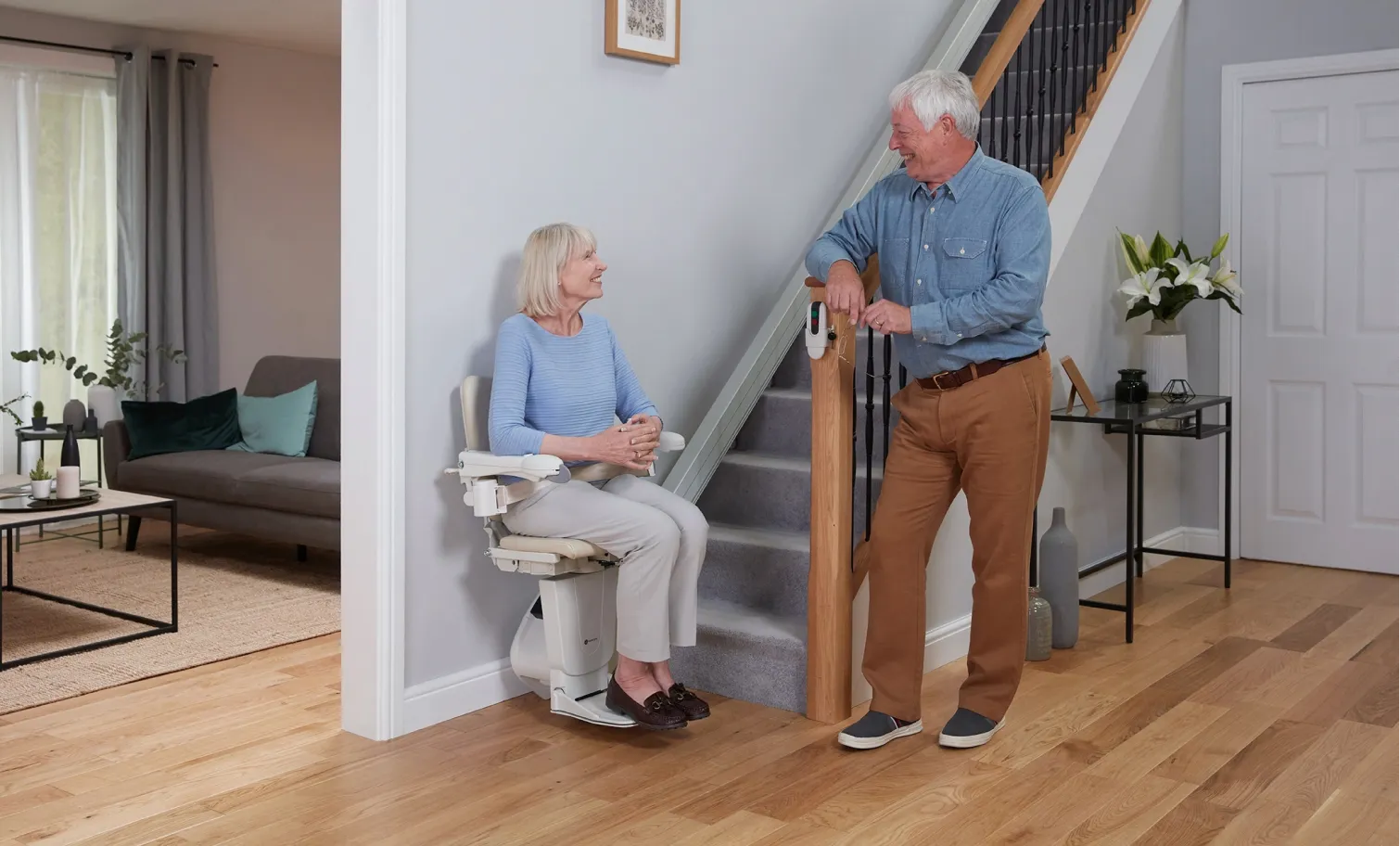
As we reflect on the recent celebrations of World Senior Citizens Day, the conversation around aging in place often centers heavily on physical safety. We talk about preventing falls, managing medications, and ensuring dietary needs are met. However, there is a profound, frequently overlooked dimension to aging: the psychological impact of losing the ability to move freely. Understanding the deep connection between emotional well-being and practical elderly mobility solutions is critical for Filipino families wishing to provide the highest quality of life for their aging parents.
The Hidden Psychological Cost of Restricted Movement
When a senior begins to struggle with mobility—whether due to arthritis, cardiovascular issues, or a general decline in strength—their world inevitably shrinks. A multi-story family home, once a sanctuary of memories, can quickly transform into a series of physical barriers.
This restriction goes far beyond physical inconvenience. The inability to safely access a second-floor bedroom or navigate a set of porch stairs often triggers a cascade of negative emotional responses:
- Feelings of Isolation: When moving around becomes painful or dangerous, seniors are more likely to confine themselves to a single room. This physical isolation breeds emotional loneliness, disconnecting them from the daily rhythm of family life.
- The "Burden" Complex: Filipino culture deeply values family cohesion and elder respect. However, seniors who suddenly require assistance to navigate their own homes often develop feelings of guilt, fearing they have become a burden to their adult children.
- Loss of Identity: For individuals who have spent decades managing households and leading independent lives, losing the ability to perform basic tasks without supervision can lead to a severe loss of self-esteem and identity.
How Physical Freedom Sustains Cognitive Health
Movement is inextricably linked to brain health. Medical professionals and geriatric specialists consistently note that physical activity—even simply moving independently around a house—stimulates blood flow to the brain, which is vital for preserving cognitive function.
When a senior's mobility is artificially restricted by a home's architecture, their environmental stimulation decreases dramatically. The brain requires spatial navigation, varied scenery, and routine physical problem-solving to stay sharp. Implementing reliable elderly mobility solutions helps maintain this daily spatial interaction, subtly fighting off the rapid cognitive decline often associated with extreme sedentary behavior.
Preserving Dignity Through Accessible Routines
Dignity is a cornerstone of adult mental health. It is fundamentally rooted in autonomy—the ability to make choices about when to wake up, where to sit, and how to participate in family activities.
Consider the emotional toll of having to wait for a family member to carry you up the stairs to use your preferred bathroom, or missing a family meal in the dining room because the steps are too daunting. By removing these physical barriers, we directly preserve an aging parent’s dignity. When they can confidently move from the living room to the garden, or safely travel up to their bedroom without asking for permission or physical support, they retain their sense of agency.
An Objective Look at Modern Elderly Mobility Solutions
Fostering an environment that protects a senior's mental health requires thoughtful home modifications. Today, technology and accessible design offer numerous ways to adapt an existing home without compromising its aesthetic or structural integrity.
- Strategic Grab Bars and Ramps: The simplest modifications often yield immediate psychological relief. Professionally installed grab bars in bathrooms and gentle ramps over thresholds reduce anxiety about slipping, restoring confidence in daily routines.
- Straight and Curved Stairlifts: For multi-story homes, the staircase is usually the most significant barrier. Modern chair lifts have evolved to become incredibly unobtrusive. For example, premium models like the Handicare 1100 feature ultra-slim, friction-drive rails that leave the staircase fully accessible for other family members while providing a seamless, glide-like transition between floors for the senior.
- Residential Elevators: In homes where structural space permits, residential home lifts offer the ultimate, long-term barrier-free solution, allowing seamless transport of individuals, wheelchairs, and even heavy household items, effectively future-proofing the residence.
Fostering a Supportive Environment for Aging Parents
Honoring our senior citizens means looking beyond their basic physical needs and actively protecting their mental and emotional vitality. By proactively integrating thoughtful elderly mobility solutions into the family home, we do more than just prevent accidents; we give our loved ones the gift of continued independence. We ensure that their golden years are defined not by the barriers they face, but by the dignity, freedom, and joy they continue to experience every single day.