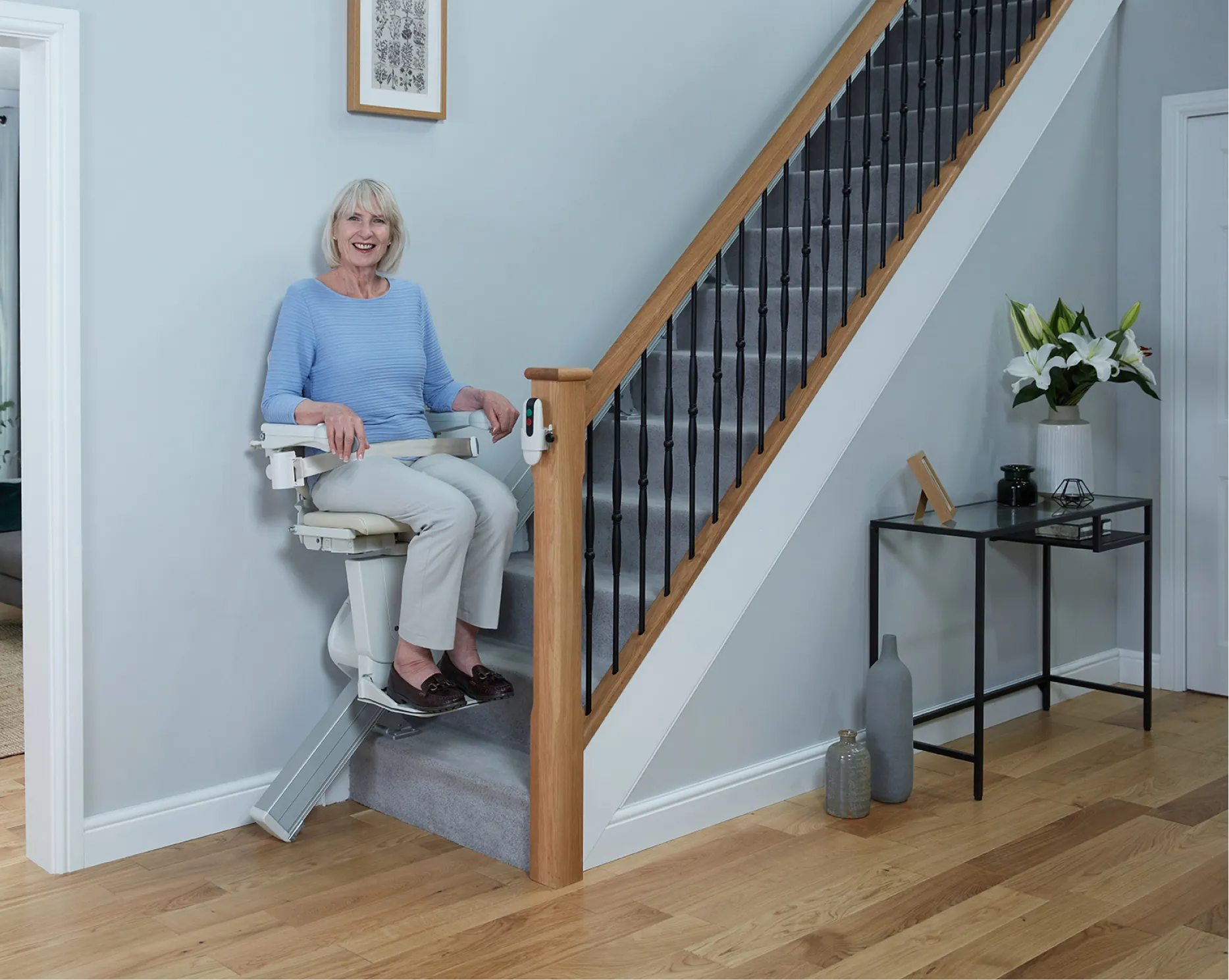
For many homeowners considering a mobility solution, one of the first observations they make during a demonstration is the pace of the equipment. If you have ever wondered why are chair lifts slow, you are certainly not alone. In a world where technology is constantly pushing for faster speeds and immediate results, the deliberate, measured pace of a stairlift can feel counterintuitive. However, in the world of mobility engineering, speed is never a measure of quality—safety and stability are.
The intentional design behind the speed of a stairlift is rooted in sophisticated engineering and a deep understanding of human physiology. These devices are not merely motorized chairs; they are highly regulated medical-grade appliances designed to transport individuals across a significant elevation change within the home. Understanding the logic behind this pace can help families feel more confident in the reliability of their investment.
The Engineering of Smooth Transitions
The primary reason stairlifts move at a modest speed—typically around 0.1 to 0.15 meters per second—is to maintain a constant center of gravity. When a vehicle accelerates quickly, the body experiences a force that can cause a slight tilt or "jerk" sensation. On a flat surface, this is a minor inconvenience; on a staircase, any sudden shift in weight could be hazardous.
By maintaining a slow and steady speed, manufacturers like Handicare ensure that the transition from a standstill to motion is almost imperceptible. This is particularly important at the start and end of the journey. Most premium lifts utilize "Soft Start" and "Soft Stop" technology. This engineering feature allows the motor to gradually increase torque so the rider doesn't feel a sudden tug when pressing the controls, and conversely, ensures a gentle deceleration as the chair reaches the landing.
Preventing Vertigo and Disorientation
Mobility challenges often come with secondary health considerations, such as inner ear sensitivities or issues with balance. Rapid movement, especially when traveling diagonally up a staircase, can trigger symptoms of vertigo or dizziness. This phenomenon occurs because the visual input (the stairs moving quickly past the eyes) may not align perfectly with the body’s physical sensation of movement.
By keeping the speed regulated, the nervous system can easily process the change in height. This creates a "calm ride" environment, which is essential for users who may be prone to lightheadedness or those who have concerns about falling. A slower pace allows the rider to remain oriented with their surroundings throughout the entire trip from the ground floor to the upper level.
Mechanical Precision and Durability
From a mechanical perspective, speed is the enemy of precision. Stairlifts operate on a rack-and-pinion system—a series of small "teeth" on a rail that the motor grips to move the chair. High speeds would increase the friction and heat generated within these components, leading to faster wear and tear.
When a lift moves slowly, the motor operates within its "sweet spot" of efficiency. This reduces the strain on the battery and the internal gears, ensuring that the equipment remains whisper-quiet. In a home environment, the last thing a family wants is a loud, vibrating machine. A measured pace ensures that the mechanical operation remains smooth, silent, and, most importantly, durable over decades of use.
Adherence to International Safety Standards
The speed of a stairlift isn't just a choice made by individual engineers; it is often dictated by strict international safety protocols. Standards such as the British Standard (BS EN 81-40) and various European safety marks set specific limits on how fast an accessibility lift can travel. These regulations are in place to ensure that if an emergency stop is ever required—for instance, if an object is detected on the stairs—the chair can come to a complete halt instantly without throwing the passenger forward.
If a lift were to travel at a higher speed, the momentum would make an "instant stop" physically jarring or even dangerous. The slow speed ensures that the braking distance is practically zero, providing a fail-safe environment for the user.
Conclusion: Prioritizing Peace of Mind
While it may be tempting to wish for a faster trip up the stairs, the slow pace of a chair lift is its greatest safety feature. It represents a harmony between mechanical longevity, regulatory compliance, and the physiological needs of the rider. By choosing a lift that prioritizes a gentle, steady journey, families are choosing a solution that values the user's comfort and security above all else. In the realm of home mobility, taking it slow is truly the most advanced way to move.