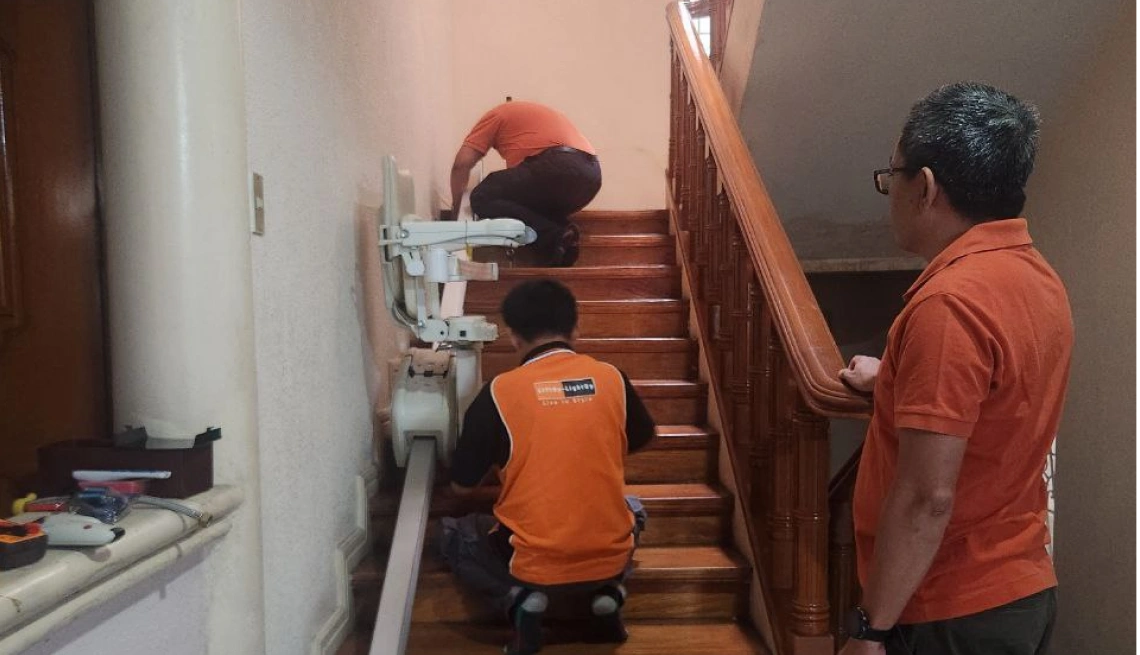
Mobility within the home represents more than just convenience; for many Filipino seniors and individuals with limited mobility, it is the foundation of independence. A stairlift is a sophisticated piece of engineering designed to bridge the gap between floor levels safely. However, like any precision machinery, its reliability is directly tied to the consistency of its upkeep. Ensuring stairlift maintenance safety is not merely about extending the life of the equipment—it is about guaranteeing that every trip up or down the stairs remains a secure, worry-free experience for the entire family.
The Critical Importance of Professional Maintenance
In a tropical environment like the Philippines, home mobility equipment faces unique challenges. High humidity, ambient dust, and occasional power fluctuations can all impact the sensitive electronic and mechanical components of a stairlift. Maintenance serves as a proactive shield against these elements. By identifying minor wear and tear before it escalates into a mechanical failure, homeowners can ensure that the "safety" aspect of the device is never compromised.
Safety is multifaceted. It involves the structural integrity of the rail, the responsiveness of the electronic sensors, and the health of the battery backup system. When maintenance is neglected, the risk of mid-journey stops or sensor malfunctions increases. For a family caring for an elderly relative, these minor technical glitches can lead to significant anxiety or, in worst-case scenarios, physical strain.
Decoding the Preventive Maintenance Schedule
To maintain peak operational standards, a structured approach to service is necessary. Most premium stairlifts, including industry-standard models like those from Handicare, benefit from a two-tiered maintenance approach.
The Bi-Annual Check (Every 6 Months)
Interim checks are essential for high-use equipment. Every six months, a focused inspection should be conducted to evaluate the primary moving parts. This includes a thorough cleaning and lubrication of the rail and carriage. In Philippine households, dust can accumulate in the gear rack, leading to a "bumpy" ride or increased noise. Addressing this early prevents premature gear wear.
The Comprehensive Annual Review
Once a year, a deep-dive technical audit is required. This involves testing the motor’s torque, checking the integrity of all wiring connections, and performing a load-test on the batteries. This annual milestone is designed to ensure the lift operates exactly as it did the day it was installed, providing a "care beyond the warranty" philosophy that prioritizes the user's well-being over simple technical functionality.
What a Comprehensive Safety Inspection Covers
A professional safety inspection is much more than a visual "walk-around." It is a methodical verification of the engineering safeguards built into the lift. Below are the key areas addressed during a standard visit:
- Rail, Rack, and Carriage Inspection: The rail is the backbone of the system. Technicians check for any signs of misalignment or loose mounting points on the stairs. The rack-and-pinion drive is cleaned to ensure the transition between rail sections remains seamless.
- Safety Sensors and Control Systems: Modern lifts are equipped with sensitive edges that stop the unit if an obstruction (such as a forgotten shoe or a pet) is detected on the stairs. These sensors must be tested for responsiveness to ensure they trigger instantly.
- Battery and Charging Health: Most stairlifts run on DC power provided by batteries. This ensures the lift works even during a "brownout." During maintenance, the battery's voltage and charge-holding capacity are measured. If a battery is nearing the end of its 3-to-5-year lifespan, it is replaced proactively to prevent the user from being stranded.
- Lubrication and Cleaning: Standard oils are often unsuitable for home environments as they attract dust. Professionals use specific dry lubricants that keep the movement smooth without creating a messy buildup.
- Wiring and Connectivity: Vibration over time can occasionally loosen electrical terminals. A technician will verify that all internal wiring is secure and that the charging strips are making full contact at the top and bottom of the rail.
The Long-Term Benefits of Regular Upkeep
Investing in regular maintenance provides three primary pillars of value for the homeowner:
- Enhanced Reliability: Knowing the lift will work every single time it is called provides emotional security for the user and their caregivers.
- Extended Equipment Lifespan: A well-maintained lift can provide service for decades. Regular lubrication and part adjustments prevent the motor from overworking, which is the leading cause of major component failure.
- Cost-Efficiency: It is significantly more affordable to replace a small set of brushes or a battery than it is to replace a burnt-out motor or a damaged control board. Preventive care eliminates the "emergency repair" premium.
Conclusion: A Commitment to Domestic Safety
The decision to install a stairlift is a decision to prioritize safety and accessibility. Maintaining that equipment is the logical continuation of that commitment. For Filipino families, the home is a sanctuary where the elderly should feel most protected. By adhering to a strict preventive maintenance schedule and understanding the technical requirements of the device, families can ensure that their investment continues to provide the freedom of movement it was designed for. True safety is found in the details of a well-lubricated rail, a healthy battery, and the professional eye that catches a problem before it starts.