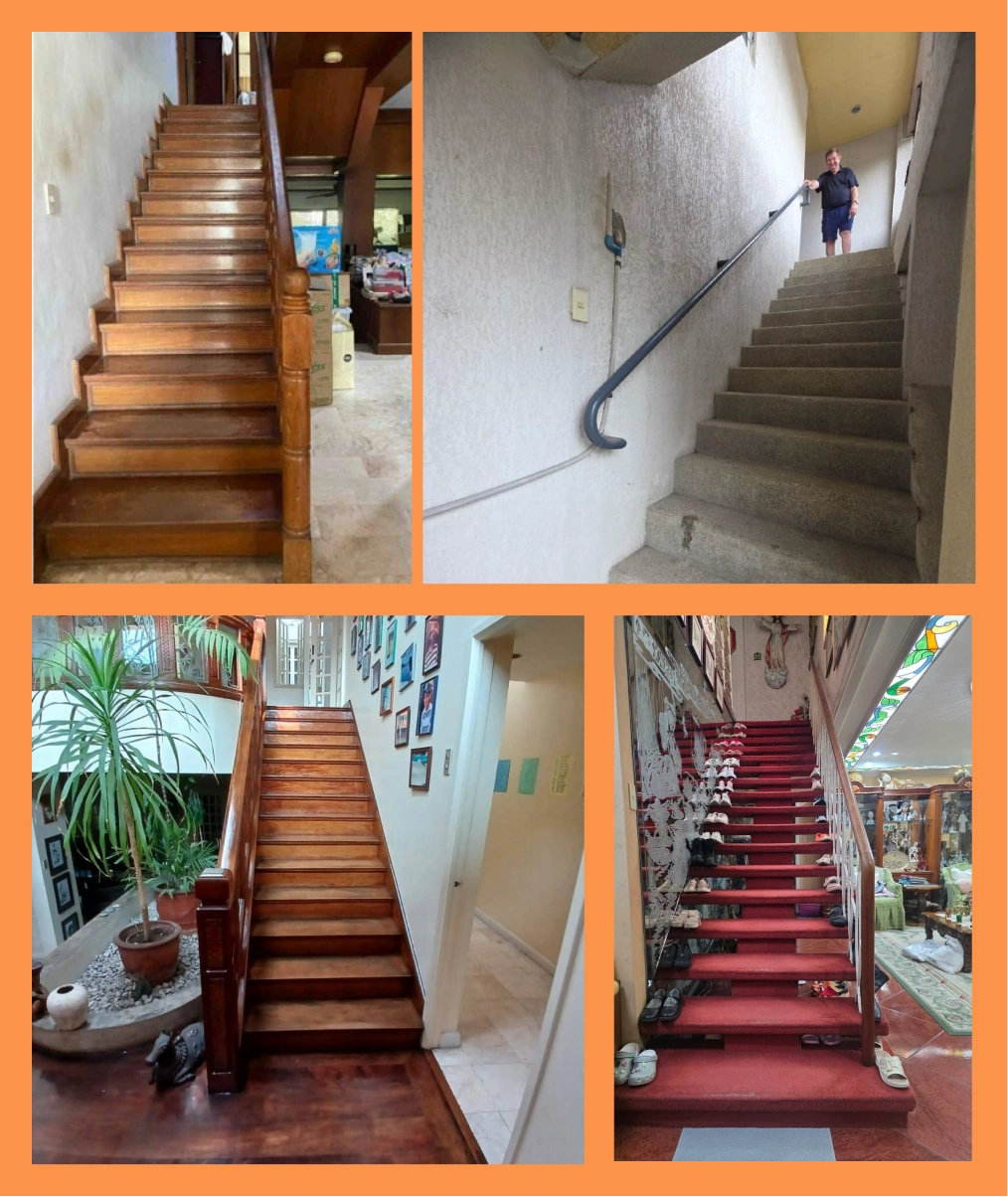
The traditional approach to home mobility often involves a reactive mindset—waiting until a fall or a significant health challenge occurs before seeking solutions. However, a significant shift is occurring in how Filipino families view home management. Increasingly, homeowners are adopting a philosophy of "proactive aging," identifying and addressing accessibility barriers long before they become critical issues.
This trend is evident in current site preparations across diverse environments, from standard family homes in Quezon City to dense urban townhouses in Makati, multi-level residences on the sloping terrain of Baguio, and outdoor-accessible properties in Lucena. These upcoming mobility installations serve as a blueprint for how families are prioritizing independence, ensuring that their homes remain places of comfort rather than obstacles.
The Shift Toward Proactive Home Adaptation
Proactive aging is about more than just equipment; it is about environment design. It recognizes that our physical needs change over time and that the home environment should be flexible enough to accommodate those changes. By evaluating staircase safety and accessibility now, families can prevent the risks associated with multi-level living, such as trips, slips, and the fatigue of constant stair climbing.
When families decide to adapt their homes early, they are essentially future-proofing their lifestyle. This transition allows loved ones to maintain their daily routines, privacy, and social interactions within the home, rather than relying on external assistance or considering a move to a care facility.
The Adaptability of Modern Mobility Solutions
When examining current site preparations across the Philippines, it becomes clear that mobility solutions are being integrated into a wide variety of architectural contexts. In classic residential setups like those found in Quezon City, the focus is often on preserving the seamless continuity of traditional staircase layouts, ensuring that a mobility track integrates without requiring invasive structural modifications. Meanwhile, in the high-density urban environment of Makati City, the emphasis shifts to space-conscious engineering, utilizing ultra-slim, friction-drive systems that fold away to maintain clear thoroughfares in narrow stairwells.
This adaptability extends to regions with more challenging topographies. Homes situated in the sloping landscapes of Baguio City frequently require customized rail systems that can navigate unique curves and landings, ensuring a smooth glide that eliminates the need for intermediate transfers. Even exterior environments, such as the entrance stairs often seen in properties across Lucena, are being addressed through weather-resistant engineering. By tailoring the approach to the specific architectural demands of these diverse locations—whether internal, external, narrow, or curved—homeowners can ensure that accessibility is not a compromise on design, but a seamless enhancement of their living space.
How Mobility Solutions Restore Autonomy
The primary benefit of integrating a chair lift into a residence is the restoration of autonomy. For many, the stairs are the largest barrier to the second floor, the balcony, or the home office. When this barrier is removed through a reliable mobility solution, the individual regains access to their entire home.
This autonomy is deeply linked to psychological well-being. The anxiety of potentially falling can limit physical activity and social engagement. By removing this fear, mobility solutions encourage movement and confidence. It allows individuals to continue participating in family life, managing their household, and maintaining their personal dignity—all of which are pillars of successful aging in place.
Technical Considerations for Long-Term Safety
Adopting an accessibility-first mindset involves more than just selecting a product; it requires a focus on reliability and safety standards. When families plan for these installations, they look for specific engineering benchmarks:
- Battery Reliability: Ensuring the lift system has a robust battery backup ensures that mobility is not compromised during power fluctuations.
- Safety Sensing: Modern, premium lifts include intelligent sensors that automatically detect obstructions, ensuring the user is never put in harm’s way.
- Ergonomics: The focus is on a smooth start-and-stop mechanism, which is essential for users with limited joint mobility or balance concerns.
Conclusion: A Commitment to Independence
The decision to prioritize home accessibility is a profound commitment to the health, safety, and dignity of the entire household. Through the proactive evaluation of home environments—whether in a bustling urban center or a mountain residence—families are discovering that they do not need to compromise their quality of life. By adapting the home today, families are ensuring that it remains a source of joy, connection, and independence for many years to come.