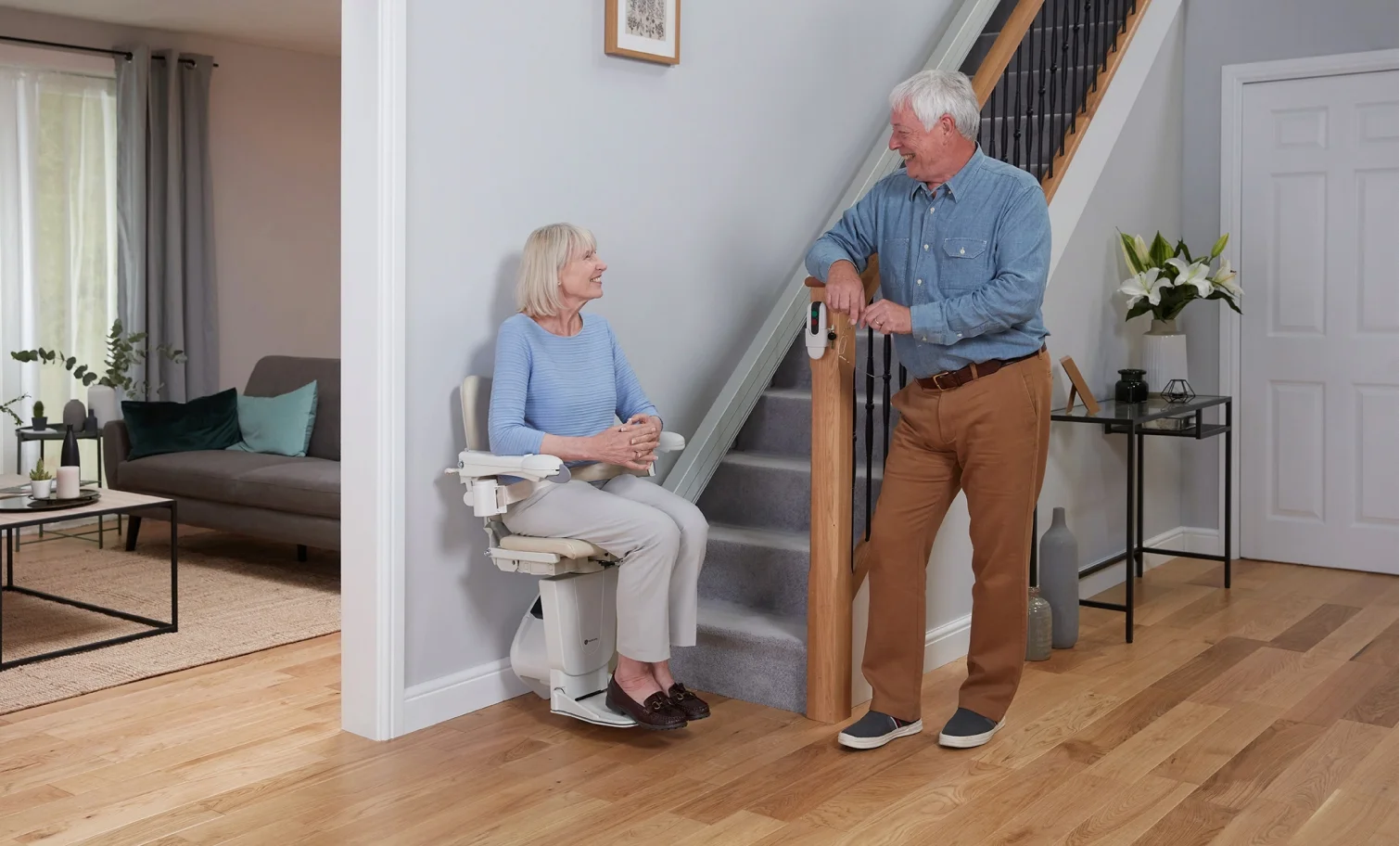
Creating a safe and welcoming environment is the foundation of home accessibility for PWD (Persons with Disabilities). For families living in multi-story houses in the Philippines, stairs often become insurmountable barriers that restrict loved ones to the ground floor. Implementing the right mobility solutions, specifically a handicap stair lift, is essential for restoring dignity, independence, and full access to the home.
Understanding Mobility Impairments and Stair Navigation
Not all disabilities present the same challenges, and understanding the specific nature of a physical impairment is crucial when evaluating home modifications. Stairlifts are specifically engineered to assist individuals who possess some degree of trunk control and the ability to transfer into a seat, but lack the lower body strength, balance, or cardiovascular endurance to safely climb stairs.
Common conditions that necessitate the integration of a chair lift include:
- Advanced Osteoarthritis and Rheumatoid Arthritis: Severe joint pain and stiffness in the knees, hips, and ankles make the repetitive weight-bearing motion of climbing stairs agonizing and dangerous.
- Neurological Conditions: Diseases such as Multiple Sclerosis (MS), Parkinson’s disease, and post-stroke recovery often affect balance, muscle coordination, and gait. A stairlift mitigates the high risk of catastrophic falls associated with these conditions.
- Cardiopulmonary Diseases: Severe asthma, COPD, or heart failure can leave individuals easily fatigued. A motorized lift prevents dangerous overexertion during daily routines.
- Lower Limb Amputations: During the transition to utilizing prosthetics, or for those who rely on crutches, navigating a staircase safely is incredibly taxing.
Essential Safety Features of a Handicap Stair Lift
Modern mobility devices are far more than simple motorized chairs. Top-tier global manufacturers, such as Handicare, engineer their systems with a suite of safety features designed specifically to address the vulnerabilities of disabled users. When evaluating a system, several technical specifications must be considered.
Firstly, ergonomic seating is vital. The seat must provide adequate lumbar support, and the armrests should be sturdy enough to bear the user's full body weight during the transition from standing to sitting.
Secondly, obstruction sensors are a non-negotiable safety feature. These sensors are located on the footrest and the carriage of the lift. If the device detects a misplaced item on the stairs—such as a child's toy or a pet—the system will immediately and smoothly halt operation to prevent crushing hazards or derailment.
Furthermore, a powered swivel seat is highly recommended for users with severe mobility limitations. Upon reaching the top landing, the chair automatically pivots away from the stairs, allowing the user to step off onto a flat, secure surface rather than precariously pivoting their own body near the edge of the staircase.
The Psychological Impact of Independent Mobility
The conversation surrounding home accessibility often focuses heavily on physical safety, but the psychological benefits are equally profound. When a Person with a Disability is confined to a single floor of their home, it can lead to feelings of isolation and depression. They may feel like a burden to family members who must assist them or carry them.
Installing a reliable mobility device removes this emotional weight. It allows the individual to move freely between their bedroom, the living room, and family areas at their own discretion. This autonomy significantly improves mental well-being and quality of life. Additionally, it dramatically reduces caregiver fatigue, protecting family members from the physical strain of manually assisting a loved one up and down the stairs.
Making the Right Accessibility Choice
Enhancing home accessibility for a disabled family member requires careful consideration of their current physical limitations and how those conditions may progress over time. A properly specified chair lift serves as a vital bridge between physical limitations and home independence. By prioritizing ergonomic design, robust safety mechanisms, and user-friendly controls, families can ensure that their multi-story home remains a safe, welcoming sanctuary for every member of the household.