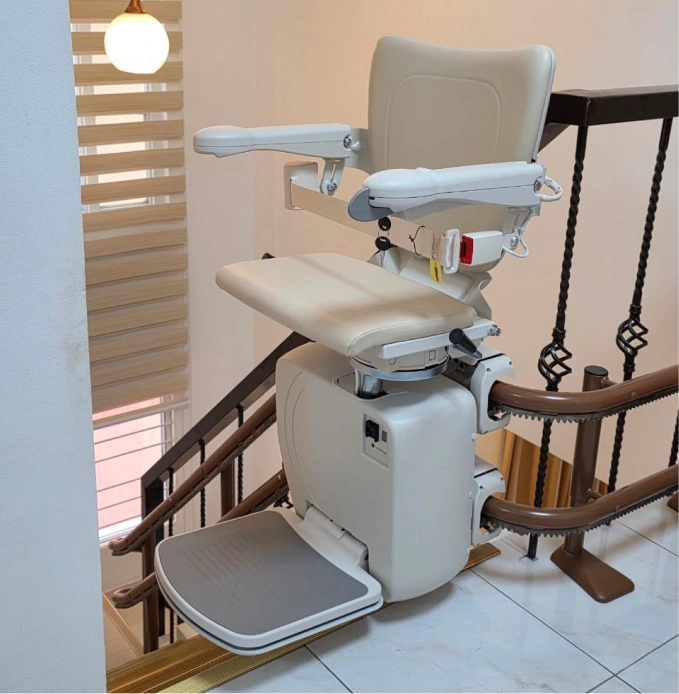
Choosing a mobility solution for your home is a significant decision that impacts the safety and independence of your loved ones. When looking at a buying a stairlift philippines guide, it is easy to get overwhelmed by technical specifications and brand names. However, the process becomes much simpler when you focus on the practicalities of your specific living environment and the unique needs of the user.
In the Philippines, where multi-generational homes and unique architectural layouts are common, a stairlift is more than just a piece of machinery; it is an investment in "aging in place." To help you navigate this journey, we have compiled six fundamental questions—inspired by global industry standards—to ensure you choose a solution that offers long-term reliability and peace of mind.
1. Is the Staircase Straight or Curved?
The first and most critical factor is the geometry of your stairs. Stairlifts are generally categorized into two types: straight and curved. A straight stairlift is designed for a single flight of stairs that does not have turns, landings, or offsets. These are typically quicker to install and more cost-effective.
However, many Filipino homes feature "L-shaped" or "U-shaped" staircases, or perhaps a landing in the middle of the flight. In these cases, a curved stairlift is required. These systems use custom-made rails designed to follow the exact contour of your staircase. Understanding this distinction early helps set realistic expectations for both the installation timeline and the budget.
2. Who Will Be Using the Lift?
While it may seem obvious, the specific physical requirements of the primary user dictate the features you need. Consider the following:
- Controls: Are the toggle switches or joysticks easy to operate for someone with arthritis?
- Swivel Seat: Does the seat rotate at the top of the stairs to allow the user to get off safely onto the landing rather than the steps?
- Weight Capacity: Standard lifts accommodate most users, but heavy-duty models are available for those requiring extra support.
Objectively assessing the user's mobility level—whether they can stand independently or require assistance transferring from a wheelchair—is vital for selecting the right model.
3. Can the Stairlift Be Folded Away?
Space is a premium in many urban households. A common concern is whether the rail or the chair will obstruct the stairs for other family members or household staff. Most premium brands, such as Handicare, design their units with folding arms, seats, and footrests.
When not in use, these components tuck away neatly, leaving the walkway clear for foot traffic. If your hallway at the bottom of the stairs is narrow, you may also want to ask about "powered hinges" that allow the rail to fold up and out of the way of doorways.
4. How Is the Lift Powered During a Brownout?
In the Philippines, power reliability is a significant consideration. You must ensure that the stairlift you choose is not rendered useless during a power outage. Most modern stairlifts operate on rechargeable batteries that are constantly topped up by a power point at the top or bottom of the rail.
This means that even if the electricity goes out, the lift will still have enough "reserve" power for several trips. This safety feature provides essential peace of mind, ensuring that no one is ever stranded halfway up the stairs during a typical tropical thunderstorm or local maintenance shutdown.
5. What Safety Sensors Are Included?
Safety is the cornerstone of any mobility device. An objective look at high-quality lifts reveals a series of "safety edges" or sensors located on the footrest and the carriage. These sensors are designed to detect obstacles—such as a misplaced slipper, a pet, or a decorative plant—on the stairs.
If the sensor detects an object, the lift will automatically and gently come to a stop. It will only resume movement once the path is clear. This proactive safety technology prevents accidents and protects both the user and the equipment.
6. What Kind of After-Sales Support is Available?
A stairlift is a mechanical investment that requires periodic check-ups to remain in peak condition. Because the Philippine climate involves high humidity, electronics can be sensitive over time. It is crucial to look for providers who offer comprehensive maintenance packages and have locally available spare parts.
Choosing a reputable global brand like Handicare ensures that the engineering behind the product is sound, but the local expertise of the technicians performing the installation and yearly servicing is what truly guarantees the machine's longevity.
Conclusion: Making an Informed Decision
By focusing on these six questions, you move away from guesswork and toward a factual, safety-oriented decision. A stairlift is a transformative addition to a home, restoring access to upper floors and ensuring that every family member can move freely and safely. Whether you are dealing with a simple straight flight or a complex curved staircase, prioritizing user comfort, power reliability, and local support will lead you to the right mobility solution for your home.