For many Filipino families, the concept of aging in place—the ability to live in one’s own home safely, independently, and comfortably regardless of age or physical decline—is becoming increasingly prioritized. As our parents and grandparents reach their golden years, the structural realities of traditional multi-story Philippine homes can present unexpected challenges. Staircases that were once traversed with ease may become difficult to manage, and standard bathroom layouts may pose significant fall risks. By understanding the principles of accessible home design and proactively making adjustments, families can ensure that the home remains a place of security and warmth for generations.
Understanding the Physical Transitions of Aging
Aging is a natural process that affects vision, balance, strength, and mobility. In a residential setting, these changes mean that familiar environments require a fresh perspective. What may seem like a minor trip hazard, such as an uneven tile transition between the kitchen and the living room, can become a significant barrier for someone with reduced balance. Similarly, the energy required to climb stairs multiple times a day can lead to fatigue, increasing the likelihood of accidents. Acknowledging these changes early allows families to assess their living space with objectivity and focus on modifications that prioritize the health and autonomy of their senior loved ones.
Identifying Key Areas for Home Modifications
A thorough safety assessment begins by evaluating high-traffic and high-risk zones. The goal is to create a seamless environment where the user can move from room to room without excessive effort.
- Entryways and Hallways: Ensure that walkways are wide and clear of clutter. Install non-slip flooring materials in areas prone to humidity, such as entry porches.
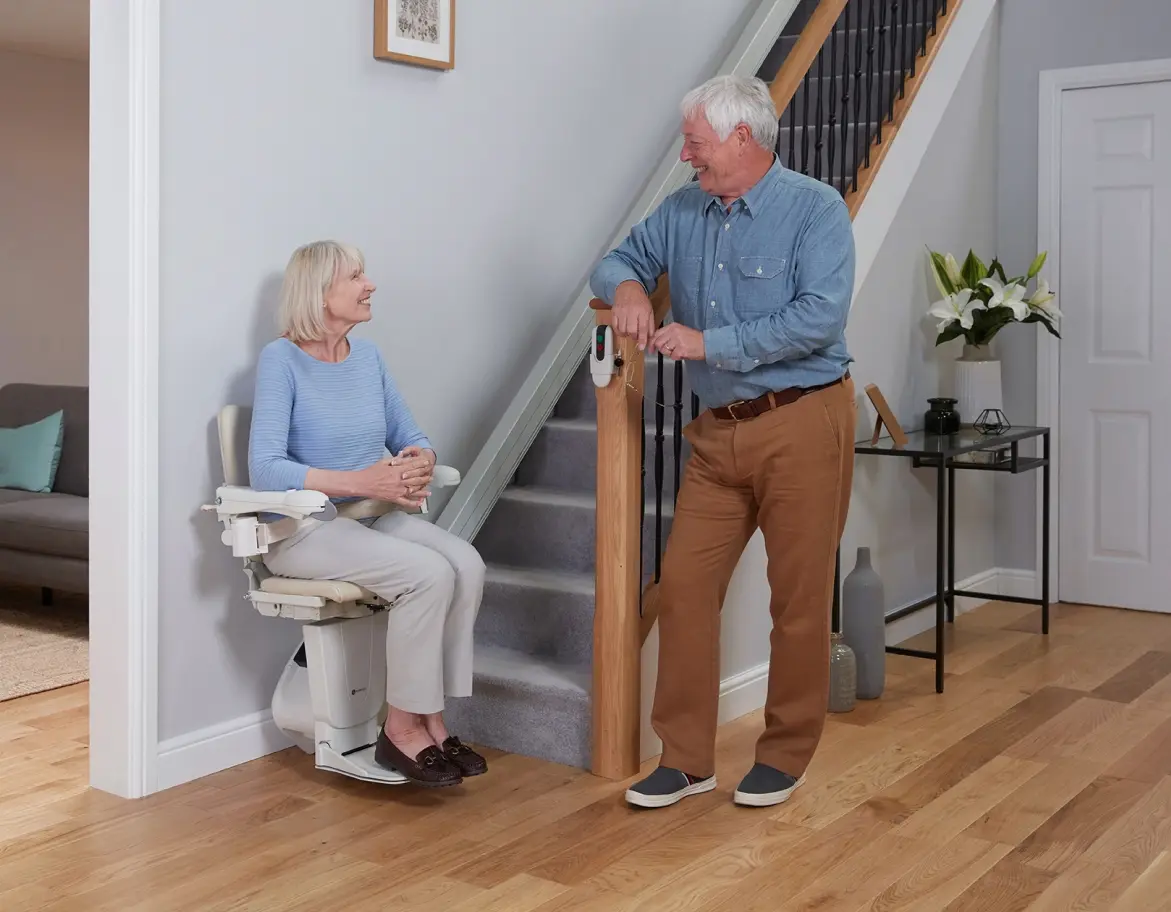
- The Staircase: Stairs are often the primary barrier to vertical mobility. Assess whether the stair width, rail stability, and lighting are sufficient. Consider the integration of professional mobility aids like stairlifts, which allow for safe transition between floors without requiring major structural renovations.
- The Bathroom: This is the most critical area for safety improvements. High-quality grab bars, comfort-height toilets, and walk-in shower configurations significantly reduce the risk of slips and falls.
- Lighting and Visibility: As vision changes, increased lighting becomes essential. Replace dim bulbs with energy-efficient LEDs and install motion-sensor night lights in hallways to aid nighttime navigation.
Promoting Independence Through Design
Accessible design is often misunderstood as "clinical" or "institutional," but modern modifications are focused on integration and aesthetics. The goal is to enhance the functionality of the home while maintaining its character as a family residence. For instance, replacing standard round doorknobs with lever-style handles requires minimal effort, making doors much easier to operate for those with arthritis or limited grip strength. Similarly, ensuring that furniture is arranged to create wide, unobstructed paths provides the necessary room for walkers or other mobility aids.
By investing in technology that supports mobility, families can prevent the premature relocation of seniors to ground-floor-only living or specialized care facilities. This preserves the multi-generational dynamics of the Filipino home, keeping grandparents involved in daily family activities while ensuring their personal environment remains entirely safe.
Conclusion
Aging in place is a proactive commitment to the well-being of the entire family. It requires a thoughtful approach to assessing the home’s layout, identifying potential hazards, and implementing strategic modifications that support long-term independence. By focusing on safety, mobility, and ease of access, Filipino families can ensure that their homes continue to serve as comfortable, inclusive sanctuaries. When the environment is adapted to support the individual, the result is a higher quality of life, greater peace of mind for caregivers, and a home that truly serves every member of the family through every stage of life.