In Filipino culture, caring for our parents as they grow older is a deeply ingrained family value. However, ensuring elderly home safety in the Philippines requires more than just presence and good intentions; it demands proactive environmental adjustments. The concept of "aging in place" empowers seniors to remain in the comfort of their own homes safely, preserving their independence and dignity for as long as possible.
Understanding the Need for Home Modifications
As individuals age, natural declines in mobility, vision, and balance can transform a familiar home into a landscape of potential hazards. A staircase that was once an easy climb can become a daily source of anxiety, and a polished tile floor can suddenly present a severe slip risk.
Modifying a home is not about taking away a parent's independence; rather, it is about adapting their environment to support their changing physical capabilities. By identifying and mitigating high-risk areas, families can prevent tragic falls and create a truly supportive living space.
Securing the Bathroom: The Highest Risk Zone
Statistically, the bathroom is the most dangerous room in any household. The combination of hard surfaces, tight spaces, and water creates a significant risk for slips and falls. Implementing safety measures here should be an immediate priority.
- Install Sturdy Grab Bars: Suction-cup handles are unreliable. Professionally mount permanent grab bars inside the shower enclosure and adjacent to the toilet to assist with sitting and standing.
- Apply Non-Slip Solutions: Replace smooth bathroom mats with rubberized, non-slip alternatives. Apply anti-slip treatments or textured decals to the shower floor and bathtub basin.
- Consider Seating and Fixture Upgrades: A simple shower chair can alleviate the physical fatigue of standing. Additionally, installing a handheld showerhead provides greater control and minimizes sudden movements.
Optimizing Hallways and Living Areas
General living areas must be optimized for clear, unobstructed movement. Clutter and poor lighting are two of the primary contributors to accidental tripping among the elderly.
- Widen Walkways: Rearrange living room furniture to ensure pathways are wide enough to accommodate a walker or a wheelchair if necessary.
- Eliminate Tripping Hazards: Remove decorative throw rugs, or secure them firmly to the floor using double-sided carpet tape. Ensure that electrical cords are tucked away along the baseboards.
- Upgrade Lighting: Aging eyes require more illumination. Install bright, glare-free LED bulbs throughout the house. Motion-sensor lights in hallways and stairwells are particularly effective for safe nighttime navigation.
Adapting Staircases for Declining Mobility
For multi-story homes common in areas like Metro Manila, the staircase often becomes the ultimate barrier to aging in place. When navigating steps becomes physically painful or dangerous, structural or mechanical adaptations become essential to access the upper levels of the home.
- Enhance Stair Treads and Handrails: Ensure that every step has a high-contrast, non-slip edge to help those with declining depth perception. If the staircase only has one handrail, installing a second one on the opposite wall provides bilateral support.
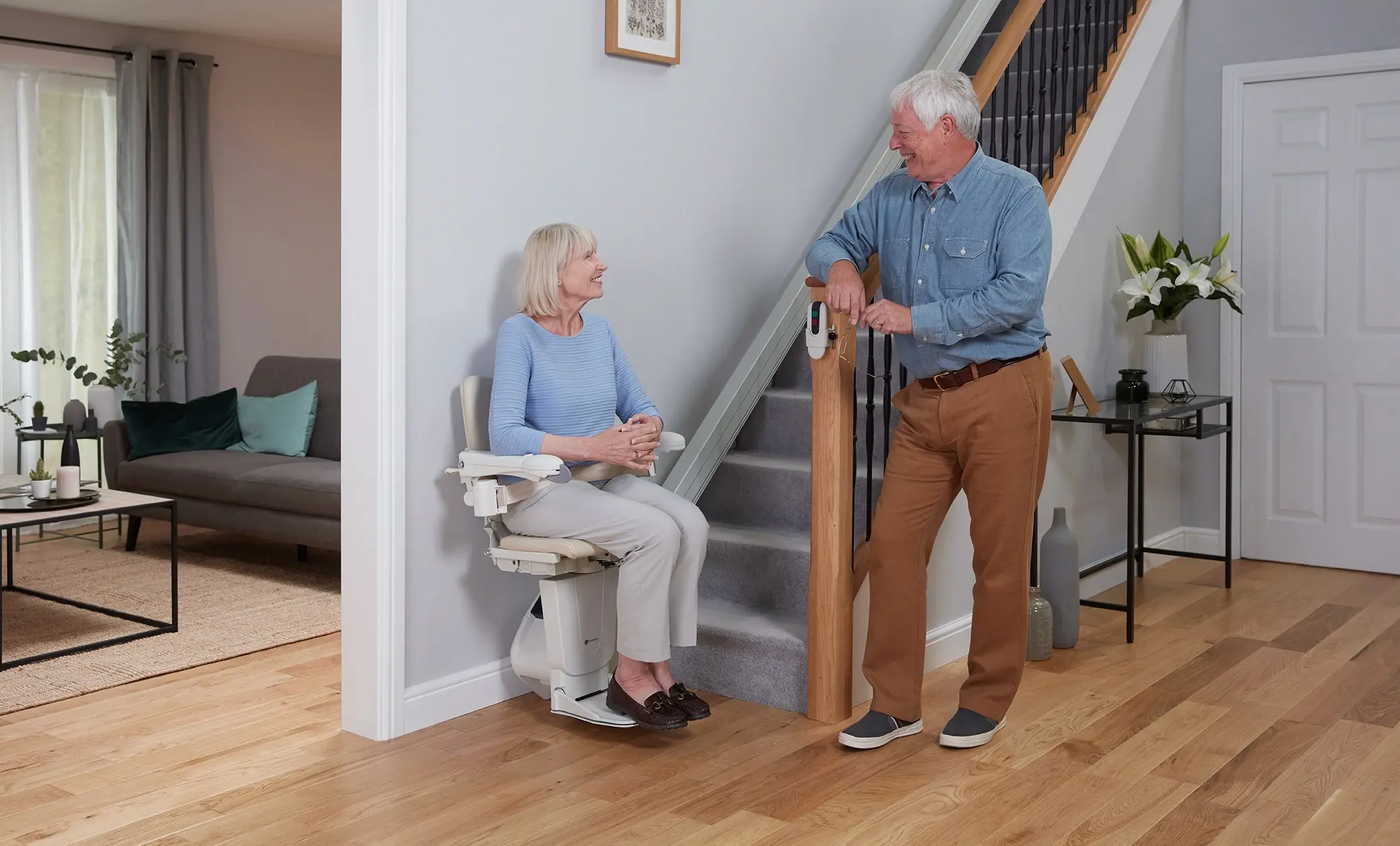
- Integrate Mechanical Mobility Aids: When physical limitations progress, climbing stairs may no longer be a safe option. Integrating a residential stairlift provides a reliable, seated method of navigating between floors. Premium, objective mobility solutions, such as the Handicare series, are specifically engineered with ultra-slim profiles. This allows them to be installed on the narrow staircases typical of modern Filipino architecture without requiring disruptive home renovations.
Bedroom Adjustments for Comfort and Accessibility
The bedroom should remain a safe sanctuary where an elderly parent can maneuver easily, even in the middle of the night.
- Adjust Bed Height: A bed that is too low requires excessive lower body strength to stand up from, while a bed that is too high increases fall risk. The ideal height allows the user to sit on the edge with their feet flat on the floor and knees bent at a 90-degree angle.
- Bedside Necessities: Ensure that a sturdy nightstand is within arm's reach, equipped with a touch-activated lamp, a telephone, and any necessary nighttime medications.
Creating a Long-Term Environment of Care
Preparing a home for aging parents is an ongoing process of observation, empathy, and adaptation. Needs will change over time, requiring families to reassess their home's safety features periodically. By taking a proactive approach to physical modifications, you provide your loved ones with an environment that champions their safety, honors their independence, and grants the entire family peace of mind.